May 19, 2026
In home improvement, timing often determines whether a space simply gets patched up or is meaningfully upgraded. Kitchens are especially sensitive to wear because they are used constantly, and countertops tend to reveal that wear faster than almost any other surface. Knowing when a countertop replacement is necessary can help homeowners avoid ongoing repairs, improve daily functionality, and significantly enhance the overall appearance of the kitchen.
Kitchen renovation activity is expected to remain strong in the coming years. According to Wray Ward, 91% of homeowners plan to begin renovations in 2026, showing a clear trend toward updating high-traffic areas of the home. Within that broader movement, a countertop replacement stands out as one of the most noticeable and impactful upgrades available.
Because countertops serve as prep stations, serving areas, and sometimes informal dining spaces, they experience constant exposure to heat, moisture, cutting tools, and heavy objects. Over time, that usage creates a combination of visible and structural issues that can no longer be ignored.
Identifying Visible Damage That Signals Replacement
The most obvious indicators that a countertop replacement is needed are physical changes to the surface. Cracks are one of the clearest warning signs. Even small fractures can expand over time as the material expands and contracts with temperature changes. Once cracks begin spreading, moisture can penetrate beneath the surface, leading to more serious structural damage.
Chipping along edges is another common issue. This often occurs in high-traffic kitchens where pots, pans, and appliances frequently make contact with the countertop. Once edges begin breaking down, the problem tends to worsen quickly, making a countertop replacement more practical than repeated repairs.
Staining is another major factor. Some materials absorb oils, wine, coffee, and acidic foods over time, leaving behind discoloration that cannot be fully removed. Even strong cleaning agents may fail to restore the original appearance. When stains become widespread, a countertop replacement is often the only way to restore a clean, uniform surface.
Heat damage is also a concern. Burn marks or discoloration near cooking areas suggest that the material has reached its tolerance limit. Similarly, warped or uneven surfaces may indicate water intrusion or adhesive failure beneath the countertop, both of which typically require a countertop replacement rather than surface fixes.
Even if damage is not severe, outdated styling can still justify replacement. Kitchens that look visually aged can affect the overall impression of the home, even when the structure is still functional.
Evaluating Home Value Impact From Replacement
A kitchen upgrade is one of the most effective ways to increase home appeal, and a countertop replacement is often at the center of that transformation. Buyers tend to focus heavily on kitchen condition when evaluating a property, and countertops are one of the first elements they notice.
Modern materials and finishes can instantly make a kitchen feel newer and better maintained. A countertop replacement creates a visual upgrade that often influences buyer perception before they even consider other features of the home.
In real estate marketing, updated kitchens tend to perform better in listing photos. Clean, modern countertops improve lighting reflection, color balance, and overall visual appeal. As a result, a countertop replacement can indirectly improve online engagement, which is often the first stage of buyer interest.
There is also a psychological factor at play. Buyers often associate new countertops with reduced future maintenance costs. A well-executed countertop replacement can therefore increase confidence in the property’s long-term condition, making offers more likely.
Even in mid-range homes, small upgrades like this can make a meaningful difference in how quickly a property moves on the market.
Recognizing Health Risks From Damaged Surfaces
Beyond aesthetics and value, damaged countertops can create hygiene concerns that are often overlooked. Small cracks, scratches, and seams can trap food particles and moisture, creating environments where bacteria can grow.
When surfaces become difficult to sanitize thoroughly, a countertop replacement becomes a practical health decision rather than a cosmetic one. Even regular cleaning may not reach bacteria embedded in deeper surface imperfections.
Moisture intrusion is another major concern. Water that seeps into cracks or beneath lifted edges can lead to mold development, especially in areas near sinks or dishwashers. Once mold begins forming below the surface, a countertop replacement is typically required to fully eliminate the problem.
Cross-contamination is also a risk in heavily worn surfaces. Residue from raw food, oils, and cleaning chemicals can accumulate in imperfections, making it harder to maintain a safe cooking environment. A new, seamless surface created through a countertop replacement reduces these risks significantly.
For households that cook frequently, maintaining a clean and non-porous surface is essential for long-term kitchen safety.
Selecting Materials for Replacement Projects
Selecting the right material is one of the most important decisions in any countertop replacement project. Each option offers a different balance of durability, appearance, maintenance, and cost.
Quartz is widely used due to its non-porous surface and resistance to staining. It requires minimal maintenance and maintains a consistent appearance over time, making it a popular choice for modern kitchens.
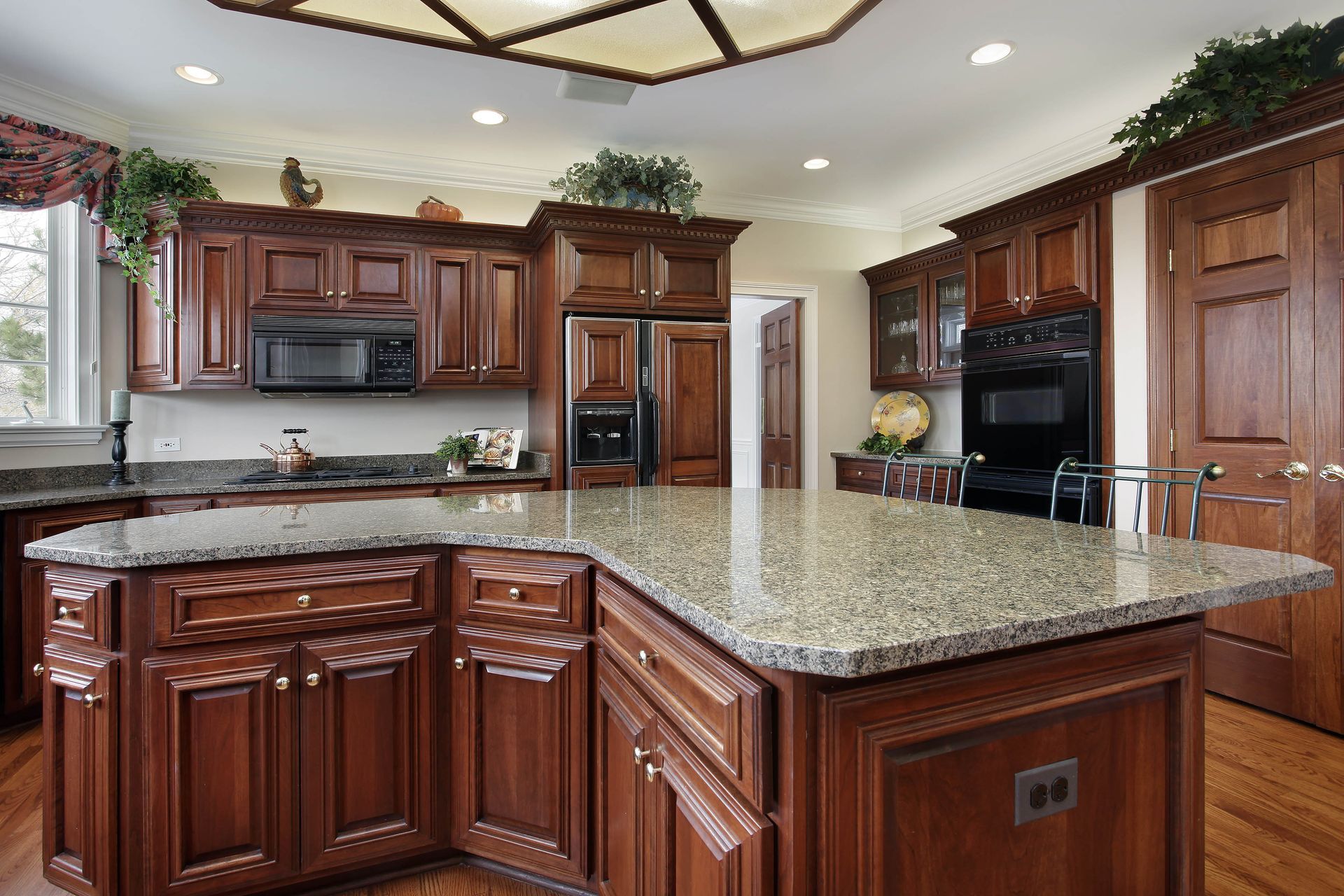
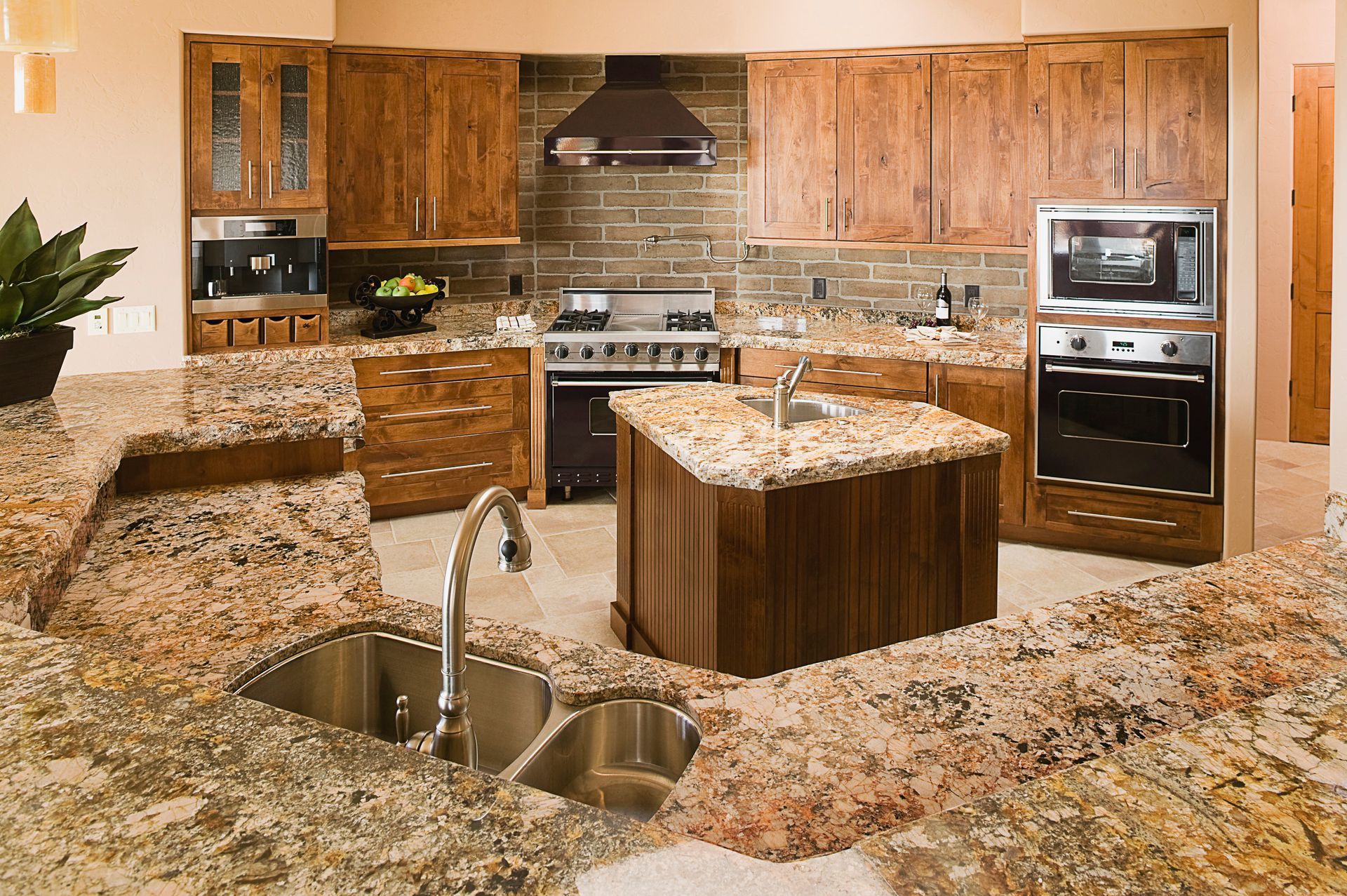
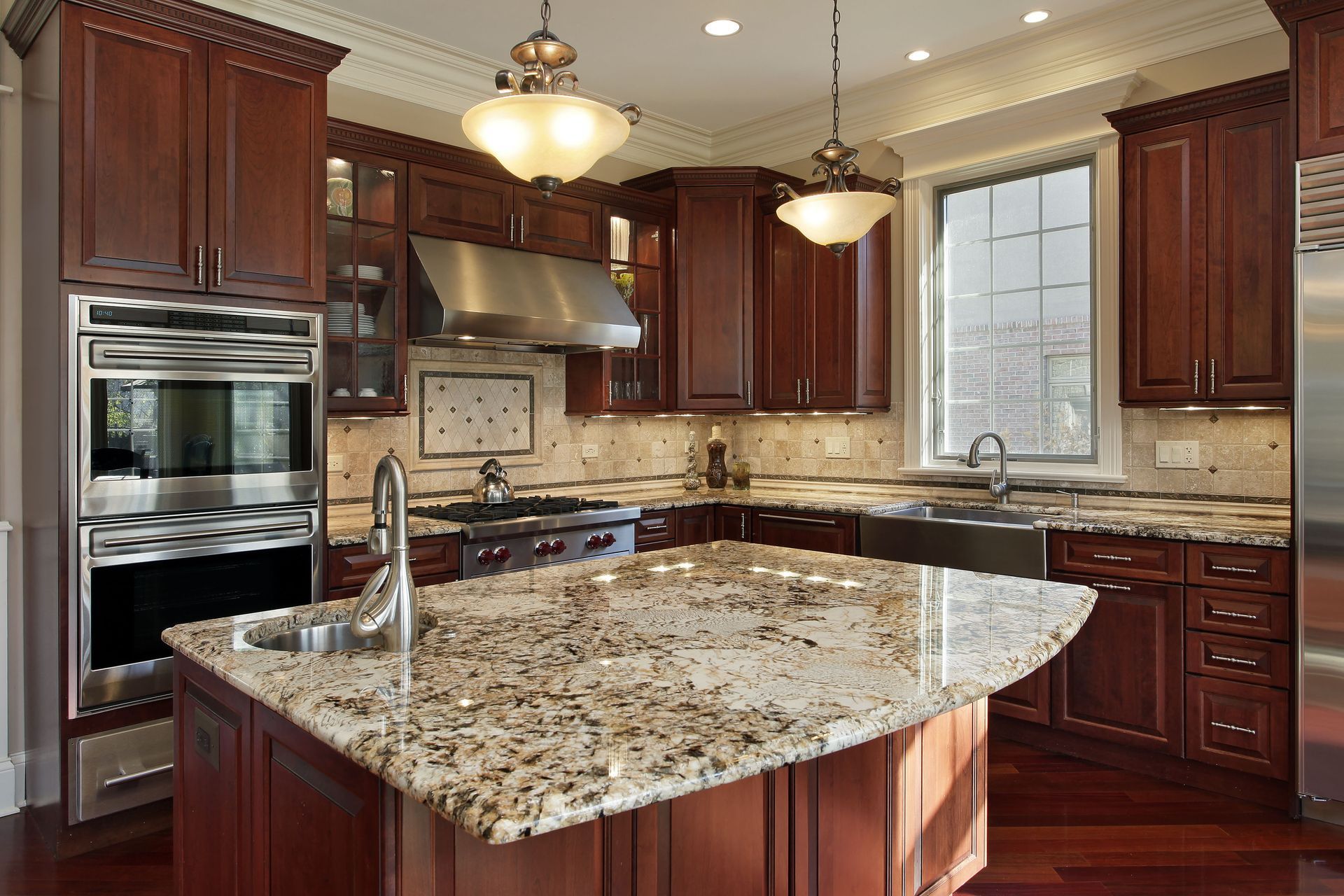
Granite offers natural variation and strong heat resistance. However, it requires periodic sealing to maintain its protective barrier. Many homeowners choose granite for its unique patterns, which can add visual character to a countertop replacement project.
Laminate is often selected for budget-conscious renovations. While not as durable as stone options, it has improved significantly in appearance and can still provide a clean, functional surface.
Butcher block offers a warm, natural look but requires regular maintenance, such as oiling and careful cleaning. It is more sensitive to moisture and heat but remains popular in specific design styles.
Ultimately, the right countertop replacement material depends on how the kitchen is used on a daily basis, not just how it looks on installation day.
Cost Considerations For Countertop Replacement
Cost is one of the most important factors in planning a countertop replacement, and pricing can vary widely depending on material, labor, and kitchen complexity.
Laminate is typically the most affordable option, while quartz and granite fall into mid-to-high price ranges. Custom edges, thicker slabs, and specialty finishes can further increase material costs.
Labor is another major component. Kitchens with complex layouts, multiple corners, or custom cutouts require more installation time and precision. These factors increase the overall cost of a countertop replacement.
Removal and disposal of old countertops also contribute to the total expense. Heavy materials like stone often require specialized handling, which can add labor charges.
Additional adjustments, such as plumbing modifications or backsplash alignment, may also be necessary depending on the existing kitchen layout.
Despite the upfront investment, a countertop replacement often provides long-term value through durability, reduced maintenance, and improved home appeal.
Recognizing when countertops have reached the end of their useful life can prevent ongoing issues and improve both function and appearance in the kitchen. A well-timed
countertop replacement addresses structural wear, enhances hygiene, and contributes to overall home value.
With renovation activity continuing to rise—91% of homeowners planning upgrades in 2026 according to Wray Ward—kitchen improvements remain a major focus for many households. Among them, a countertop replacement is one of the most effective ways to modernize a space without a full remodel.
When visible wear, hygiene concerns, or design fatigue begin to accumulate, replacing countertops becomes a practical step toward a cleaner, more functional, and more visually appealing kitchen. If you're looking to replace aging or worn out countertops, reach out to the team at Tile & Marble Gallery today!